

 中文简体
 English
 Español
 русский
Cell Culture Consumables 101: What Every Researcher Should Know
Cell culture is the cornerstone of many scientific research fields, from drug development to cancer studies. To achieve reliable results, the quality of cell culture consumables cannot be overlooked. In this guide, we’ll walk through the basics of cell culture consumables and why selecting the right products is essential for successful experiments.
What Are Cell Culture Consumables?
Cell culture consumables refer to the materials and tools used in growing and maintaining cells outside their natural environment. These items play a crucial role in ensuring the proper growth, development, and maintenance of cells in a laboratory setting. Some common cell culture consumables include:
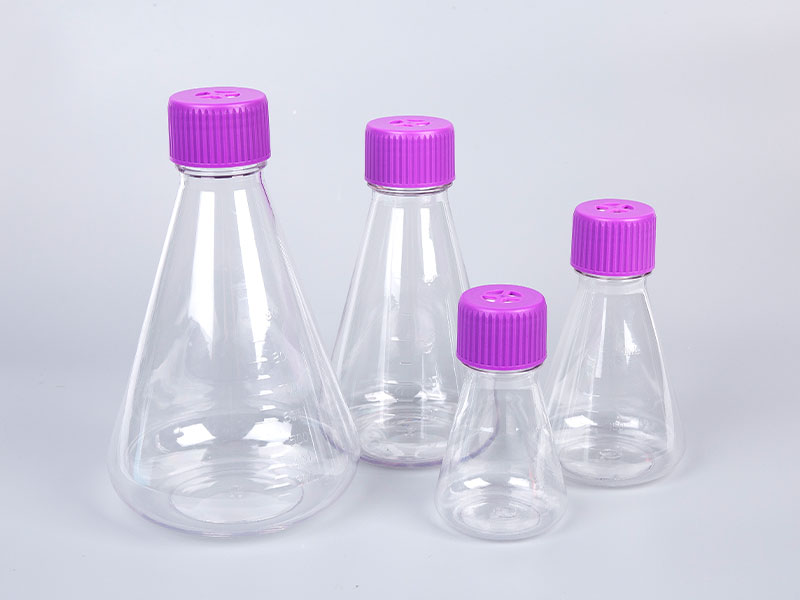
Culture Plates, Dishes, and Flasks: These are the vessels where cells are grown. They come in different shapes and sizes, depending on the type of experiment.
Petri Dishes: Ideal for small-scale cultures and assays, commonly used in microbiology.
Cell Culture Media: Nutrient solutions that provide essential vitamins, minerals, and growth factors for cell survival and proliferation.
Supplements: These include fetal bovine serum (FBS), growth factors, and cytokines, which support specific types of cell growth.
Pipettes and Tips: For accurate transfer and handling of liquids and cell suspensions.
Sterile Vessels: Items like tubes and bottles that ensure contamination-free conditions for cultures.
The Importance of Quality Consumables
Using high-quality consumables is essential to avoid contamination, ensure reproducible results, and maintain the integrity of your cell cultures. Poor-quality materials or incorrect handling can lead to:
Cell Contamination: Microbial contamination can ruin experiments and compromise results.
Inconsistent Cell Growth: Cells may not grow at optimal rates if the wrong media or supplements are used.
Experimental Variability: Variability in consumables can introduce inconsistencies in data, making it harder to draw reliable conclusions.
Choosing the Right Consumables
Selecting the right consumables depends on the type of cells being cultured and the specific requirements of the experiment. Here are some factors to consider:
Cell Type: Different cells have different needs. For example, adherent cells may require surface coatings, while suspension cells may not.
Media Formulation: The choice of media can significantly impact cell behavior. Some cell types require specialized formulations with higher concentrations of nutrients, growth factors, or supplements.
Sterility and Cleanliness: All consumables must be sterile to prevent contamination. Look for certified sterile products from reputable suppliers.
Quality Assurance: Choose suppliers who provide certificates of quality and product consistency. This ensures that the products meet the required specifications.
Key Consumables to Know
Culture Flasks and Plates: These come in various materials such as polystyrene, which is commonly used for most cell cultures due to its excellent clarity and ease of handling.
Cell Culture Media: Commonly used media types include DMEM, RPMI-1640, and MEM. Ensure the media matches the cell type.
Fetal Bovine Serum (FBS): FBS is widely used to supplement media with growth factors and nutrients. However, ethical concerns and batch-to-batch variability are issues to consider.
Cell Culture Pipettes and Tips: Pipettes should be precise, and tips should be free of contaminants to avoid introducing variables to your cell cultures.
Cryopreservation Equipment: Vials and freezing media are essential for long-term storage of cells without compromising their viability.
Best Practices for Handling Cell Culture Consumables
Aseptic Techniques: Always use proper aseptic techniques when handling consumables to maintain sterility.
Sterilization and Packaging: Ensure all products are packaged and sterilized appropriately before use.
Storage Conditions: Store consumables such as media and supplements at the recommended temperatures to maintain their integrity.
Conclusion
Choosing the right cell culture consumables is not only about obtaining the best materials but also about understanding the specific needs of your cell cultures. High-quality, reliable consumables ensure consistent, reproducible results in your experiments. Always prioritize quality over cost to ensure the best possible outcomes in your research.
For more information, please call us at +86-0571-87993109 or email us at hzbioland@126.com.
Anyone who has spent time at a cell culture hood knows a quiet truth about the job: the dish is nev...
Walk into almost any molecular biology, IVD, or compound management laboratory and you will find th...
Ask ten labs what the optimal conditions to store cell culture media are, and the answers come back...
Polymerase chain reaction looks like a simple recipe: mix, heat, cool, repeat. In practice, a react...
If you have ever finished a qPCR run, opened the standard curve, and quietly hoped the numbers woul...
Your HeLa cells were splitting beautifully yesterday. Today the medium looks pale and slightly yell...


